The Wall Remembers in Layers: Britain’s Torn Gig Posters as Accidental Collage
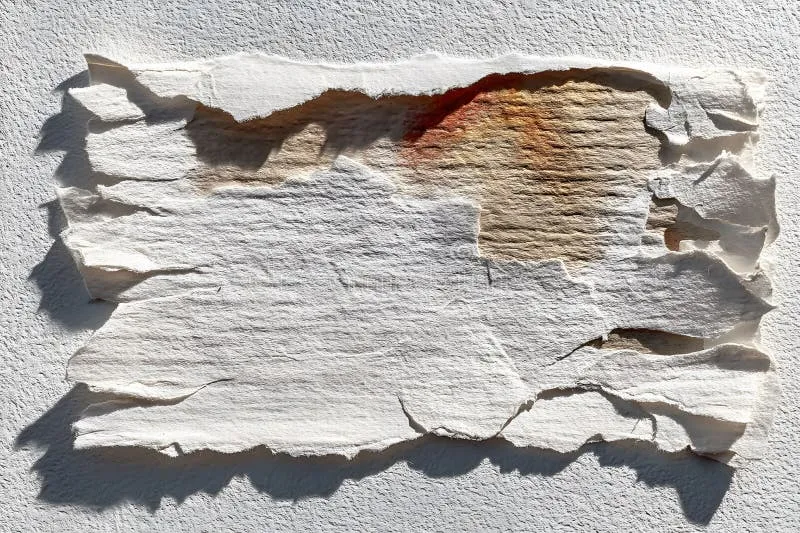
Photo: torn gig posters layered on UK shutter wall urban collage, via thumbs.dreamstime.com
Gig posters are made to be looked at for a week and forgotten by Monday. The wall has other plans. Rain softens the paste, a scraper takes off a corner, someone else slaps a new flyer on top, and by the time the event has passed the poster has become part of a larger, stranger composition. In Britain, where flyposting sits somewhere between civic nuisance and cultural infrastructure, these torn layers are quietly doing the work of an archive. Not a neat one. More of a palimpsest with a hangover.
An anatomy of the tear
A good accidental collage needs three things: cheap paper, water-based paste and indifference. The paper curls at the edges. The paste yellows. The top layer gets ripped away in a diagonal that reveals a fragment of last month’s club night beneath. A fluorescent pink headline survives next to a sliver of a black-and-white photograph. A date remains, but the venue has gone. The result is not random, exactly. It is the product of weather, hands, brushes and the particular impatience of whoever was sent out to clean the wall.
This is why the best examples rarely appear on purpose-built poster sites. They turn up on the backs of shutters, along railway arches, on the plywood hoardings around building sites and in the kind of underpasses that pedestrians use quickly. The surfaces are uneven. The lighting is bad. The posters are already doomed. And that is precisely what makes them worth looking at.
Three walls, one city’s memory
Take a shutter run beside a railway arch in Hackney Wick. On a damp November morning in 2026, the layers read like a short history of East London nightlife: a nightclub logo reduced to its outline, a jazz night in a church hall, a poster for a record fair with most of the address torn away. The top layer is always the most recent, but the most interesting material is underneath. You can see where one paste-up has been applied over another without any attempt to align them. A grid of dates crosses a photograph of a dancer. A band name becomes a texture.
Then there is a hoarding near Digbeth Coach Station in Birmingham. Here the posters have been applied so thickly that the surface has begun to buckle. A street cleaner tells me the trick is not to scrape too hard: the paper comes away in wet sheets, and if you are not careful you take the whole history with it. He has a practical view of the wall. To him, it is maintenance. To me, it is a collage that happens to be vertical.
A third site: the underpass at Bristol’s Cumberland Basin. The damp is different here. The posters have bled into one another, so that a reggae night and a poetry reading share a colour palette of grey-blue and faded orange. A paste-up artist who works across the city says she likes the way the walls never stay solved. You put up a poster on Tuesday, she says, and by Friday it belongs to someone else. The weather edits it. The cleaners edit it. The next promoter edits it. Nobody signs the final piece.
The people with the paste and the scraper
There is a romance to the paste-up artist that the job rarely deserves. It is often cold, rushed and badly paid. A bucket of wallpaper paste, a wide brush, a roll of posters and a route that has to be finished before the shops open. The skill is in the smoothing: too little paste and the poster peels; too much and it slides. The best paste-ups are taut and flat, which is ironic, because the best accidental collages are always coming apart.
Street cleaners, meanwhile, are the unlikely curators of this material. Their job is to remove it. But removal is an aesthetic act. A scraper dragged across a shutter can expose a whole previous layer in a single gesture. A power wash can turn a poster into pulp. A half-hearted peel can leave a face, a hand or a single word stranded on the wall. In that sense, the cleaner is not the enemy of the collage. The cleaner is one of its authors.
What the weather knows
British weather is a reliable collaborator. Rain spots the ink. Wind lifts corners. Sun bleaches the reds first and leaves the blues behind. A poster that looked aggressive on a Friday can look almost tender by the following Wednesday. The paper takes on the texture of the wall beneath it: brick, corrugated metal, concrete, the ridged surface of a roller shutter. The collage becomes site-specific without anyone intending it.
This is the opposite of the polished public-art commission. There is no interpretation panel, no launch event, no maintenance budget. There is only the next poster, the next rain, the next scrape. And yet the wall is recording something real: who was playing, who was promoting, who was walking past, who was paid to clean it up. It is a cultural memory made of waste.
A temporary archive worth reading
The obvious objection is that this is just mess. Fair enough. Most of it is. But the same could be said of any archive before someone decides what to keep. The accidental collages of Britain’s gig posters are not asking to be preserved. They are asking to be noticed before they disappear. And in a country where nightlife venues close, promoters vanish and flyers are increasingly replaced by algorithmically targeted posts, there is something stubbornly human about a wall that still remembers in layers.
Next time you pass a shuttered shop or a building-site hoarding, look at the tears rather than the headline. The top poster is advertising something. The layers underneath are telling you what the city was doing last month. The wall is not a museum. It is better than that. It is still wet.