Fragmenta Art, design and oddities, pieced together.

Fragmenta

Art, design and oddities, pieced together.

Latest Articles

Sign Here, Slightly Crooked: The Rubber Stamp Drawers That Keep Local Britain Running
Design & Everyday Life

Sign Here, Slightly Crooked: The Rubber Stamp Drawers That Keep Local Britain Running

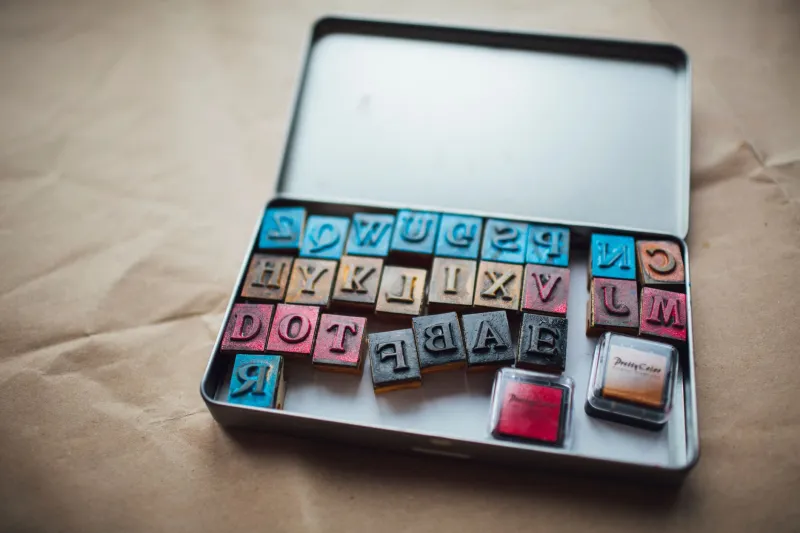
In village halls, allotment sheds and back rooms of butchers, the rubber stamp drawer is a tiny civic archive. Its wonky letters, faded ink pads and repeated phrases record who paid, who attended and who was briefly in charge.

Design & Everyday Life

Blue Tac and Biro: The Improvised Type System of the British Corner Shop

A fluorescent star, a taped-on decimal point, a biro correction over yesterday's price: Britain's handmade shop cards are design under pressure. They form a vernacular archive of local economies, multilingual high streets and small acts of wit — and they are disappearing behind uniform digital labels.

Rooftop Characters: Britain’s Chimney Pots as Accidental Sculpture
Design & Everyday Life

Rooftop Characters: Britain’s Chimney Pots as Accidental Sculpture

Britain’s chimney pots are functional vents, regional signifiers and accidental skyline sculpture all at once. This is a pocket guide to reading the rooftop zoo above the terraces, semis and municipal buildings — and to noticing what vanishes when the pots come down.

The Biro Hours: Britain’s Taped-Up Shop Notes and the Art of Being Briefly Away
Design & Everyday Life

The Biro Hours: Britain’s Taped-Up Shop Notes and the Art of Being Briefly Away

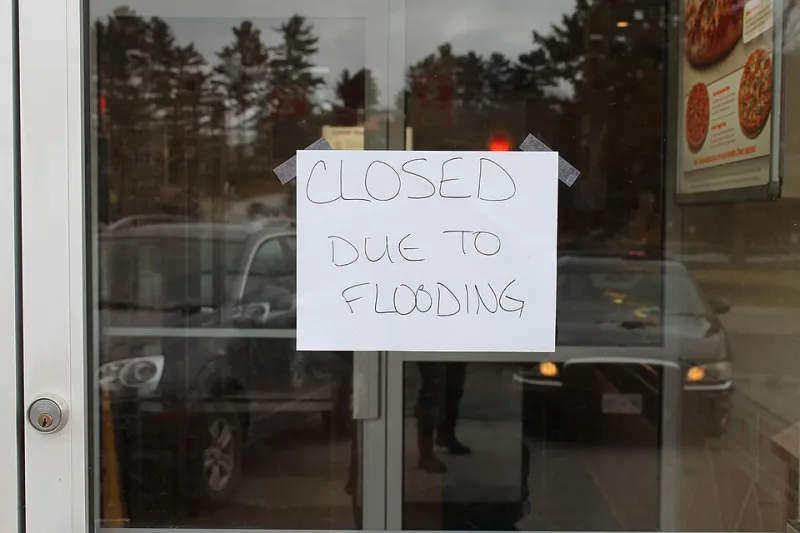
A cereal-box flap, a blunt marker, a strip of electrical tape: Britain’s temporary shop signs are tiny acts of typography and trust. This is a field note on the improvised notices that appear when a door is locked for five minutes — or longer.

The Diagonalists: Britain’s Worn Shortcuts and the People Who Draw Them
Design & Everyday Life

The Diagonalists: Britain’s Worn Shortcuts and the People Who Draw Them

Every park, estate and campus has them: muddy arcs that ignore the pavement and head straight for the gap in the hedge. A field guide to Britain’s desire lines — the quiet collaborations between feet, weather and impatience.

The Iron Alphabet Underfoot: How Britain’s Manhole Covers Became a Street-Level Gallery
Design & Everyday Life

The Iron Alphabet Underfoot: How Britain’s Manhole Covers Became a Street-Level Gallery

Britain’s manhole covers are more than utility ironwork: they are stamped with foundry names, municipal crests and geometric patterns that amount to an accidental typographic archive. This is a walk through the overlooked outdoor gallery beneath our feet, and the people who photograph it.

The Gatepost Glyphs: Britain’s Handmade House Numbers and the Art of Being Slightly Off-Grid
Design & Everyday Life

The Gatepost Glyphs: Britain’s Handmade House Numbers and the Art of Being Slightly Off-Grid

From painted gateposts to ceramic tiles and the stubborn survival of 11½, Britain’s improvised house numbers are a scruffy, affectionate form of folk typography. They record subdivisions, planning compromises and the very human need to make a small mark at the front gate.

The Wall Remembers in Layers: Britain’s Torn Gig Posters as Accidental Collage
Public Art & Heritage

The Wall Remembers in Layers: Britain’s Torn Gig Posters as Accidental Collage

On shutters, hoardings and underpass walls, Britain’s gig posters are torn, rained on and pasted over until they become something nobody designed. A look at the accidental collages that record a city’s nightlife in fragments.

A Single Glove, Carefully Bagged: Notes from Britain’s Lost Property Rooms
Design & Everyday Life

A Single Glove, Carefully Bagged: Notes from Britain’s Lost Property Rooms

Every British city has a room where the day’s forgetfulness is sorted into bags, boxes and shelves. It is not quite a museum, but it has the same rituals of labelling, display and disposal — and it says more about us than any glass case.

Down There in the Daylight: Britain’s Pavement Prisms
Public Art & Heritage

Down There in the Daylight: Britain’s Pavement Prisms

They look like grubby little skylights for the underworld: cast-iron grids set into British pavements, holding thick glass lenses that once sent daylight into basements. A field guide to the prism lights under our feet, the hidden rooms they served, and the people repairing them in 2026.

Public Art & Heritage

The Brass Nobody Asked For: Britain’s Rogue Plaques and the Art of Small Remembrance

They are screwed to shop walls, cable-tied to railings and bolted to trees: homemade plaques that commemorate a much-loved cat, a vanished cinema or a stubborn old plane tree. Part folk art, part civic graffiti, they ask who gets to decide what a street remembers.

The Colour of Gone: Britain’s Dead Paint Shades and the People Who Keep Them
Design & Everyday Life

The Colour of Gone: Britain’s Dead Paint Shades and the People Who Keep Them

In drawers, sheds and heritage libraries across the UK, discontinued paint colours survive as chips, cards and match pots. These tiny rectangles are not just design history; they are fragments of vanished rooms, kept alive by salvage-minded decorators and colour archivists.

Plot Lines: A Field Guide to the Improvised Sheds of Britain’s Allotments
Design & Everyday Life

Plot Lines: A Field Guide to the Improvised Sheds of Britain’s Allotments

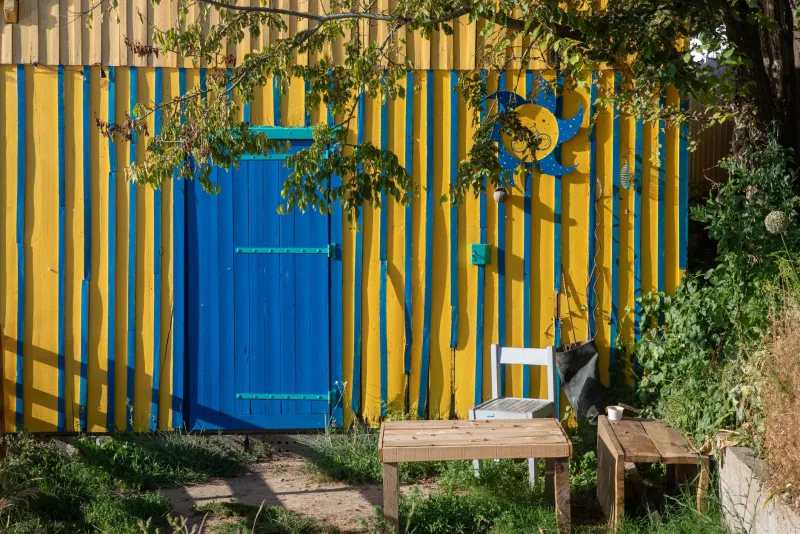
At the end of every allotment path is a building that shouldn’t work but does: a shed made from a salvaged door, a greenhouse pane and three coats of leftover fence paint. These are not just storage. They are Britain’s most honest architecture.

Little High Streets, Long Memories: Inside Britain’s Accidental Model-Village Archive
Public Art & Heritage

Little High Streets, Long Memories: Inside Britain’s Accidental Model-Village Archive

Britain’s model villages were built as garden follies, charity fundraisers and railway-driven amusements. Look closer and they become something odder: a scale archive of shopfronts, civic planting and the small rituals of town life that real high streets have quietly mislaid.

Salvage Yard Sagas: The Strange Afterlife of Britain’s Broken Buildings
Public Art & Heritage

Salvage Yard Sagas: The Strange Afterlife of Britain’s Broken Buildings

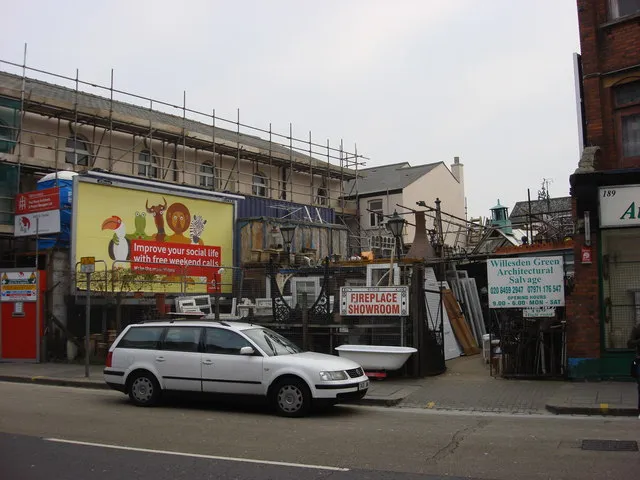
Behind fences and pallets of reclaimed brick, Britain keeps a parallel museum of itself. We visit the salvage yards where church statues, pub mirrors and Victorian tiles wait for a second life — and ask why broken bits of buildings can feel more honest than whole ones.

Cut, Paste, Remember: The Quiet Radicalism of Britain’s Scrapbook Habit
Design & Everyday Life

Cut, Paste, Remember: The Quiet Radicalism of Britain’s Scrapbook Habit

Long before mood boards and Instagram grids, British households were filing their lives into scrapbooks: bus tickets, holiday snaps, fanzine clippings, pressed flowers. As analog collage enjoys a comeback in 2026, it is time to treat the amateur scrapbook not as clutter but as a democratic art form.

Underfoot Modernism: A Field Guide to Britain’s Pub Carpet Patterns
Public Art & Heritage

Underfoot Modernism: A Field Guide to Britain’s Pub Carpet Patterns

Britain’s pub carpets are a neglected branch of public design: psychedelic, geometric and stubbornly regional. Here’s a field guide to the patterns worth spotting before another refurbishment rolls them up.

The Lamp That Came Back: Notes from a Saturday Repair Bench
Design & Everyday Life

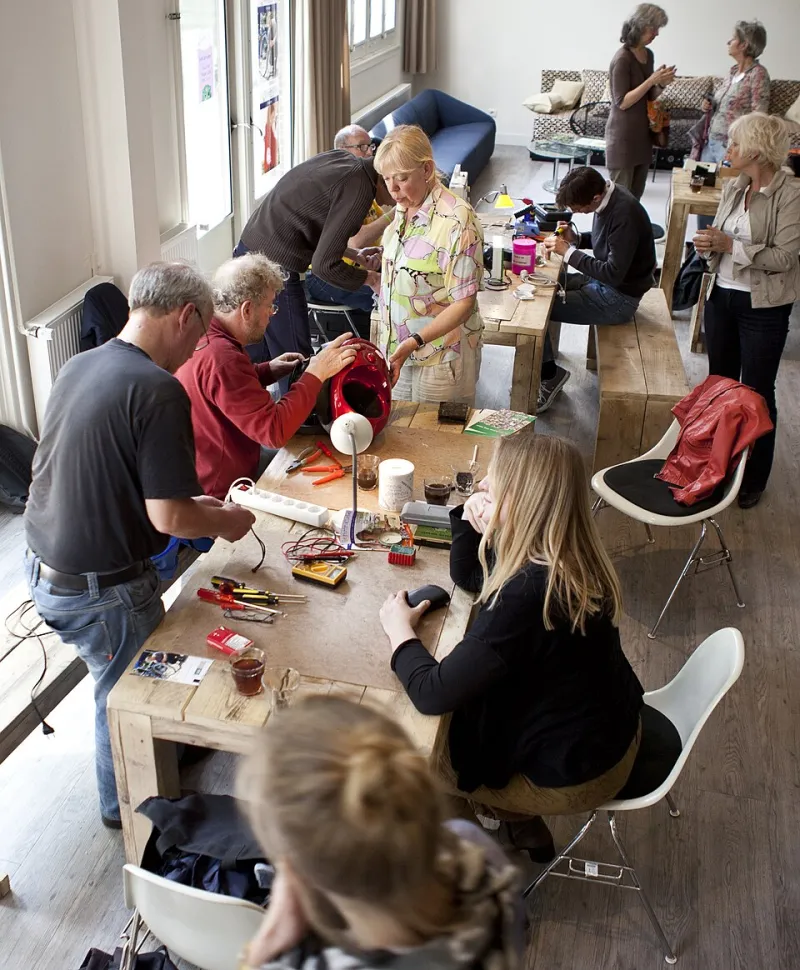
The Lamp That Came Back: Notes from a Saturday Repair Bench

In church halls and library annexes, Britain’s repair cafés turn broken things into short-term museums of design failure and affection. We spent a few Saturdays piecing together the stories behind the lamps, radios and toys people refuse to bin.

One Object Is Enough: Britain's Phone-Box Galleries and the Art of the Very Small Museum
Public Art & Heritage

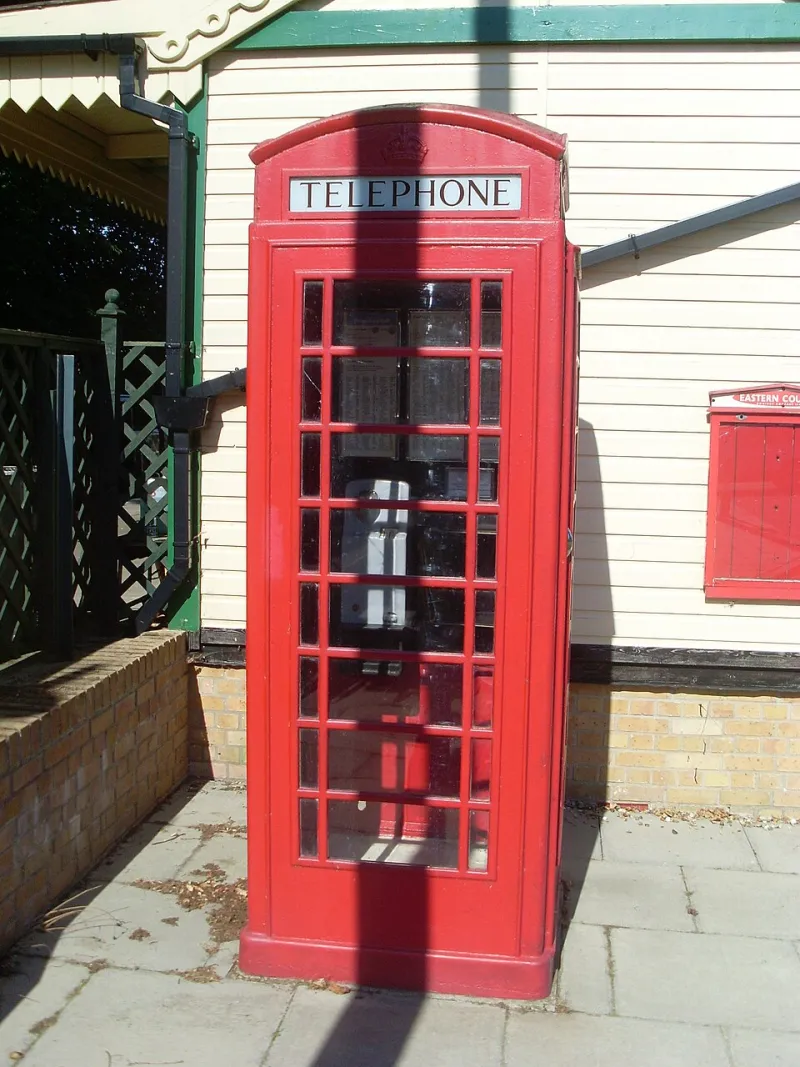
One Object Is Enough: Britain's Phone-Box Galleries and the Art of the Very Small Museum

Across the UK, redundant kiosks, waiting rooms and garden sheds are being quietly repurposed as micro-museums where a single object carries the whole collection. We went looking for the country's smallest galleries — and found a very British kind of civic creativity.

Tear-Off Tabs and Laminated Truths: Reading the Village Noticeboard as Accidental Folk Art
Design & Everyday Life

Tear-Off Tabs and Laminated Truths: Reading the Village Noticeboard as Accidental Folk Art

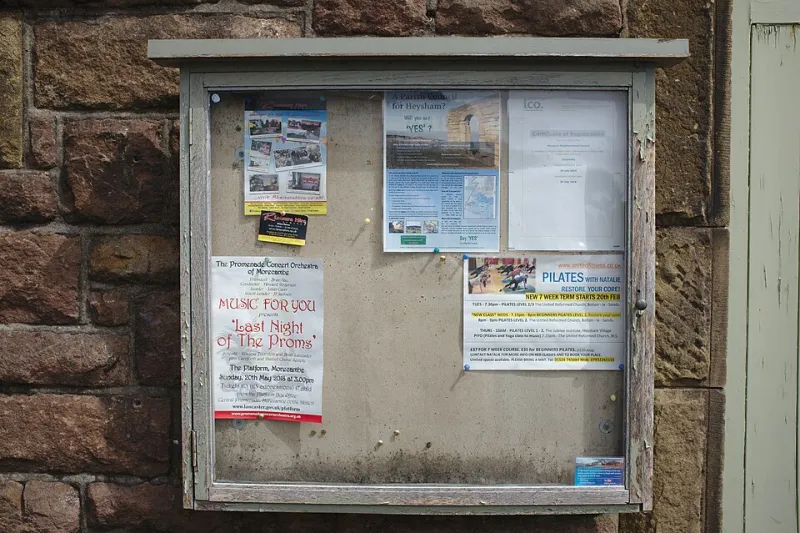
Stapled, sellotaped, corrected in biro and slowly bleached by the sun, the parish noticeboard is the last unmoderated public wall in Britain. It is also, if you look properly, an improvised collage and a social document of considerable honesty.

Recommended

non gamstop casinos