Plot Lines: A Field Guide to the Improvised Sheds of Britain’s Allotments
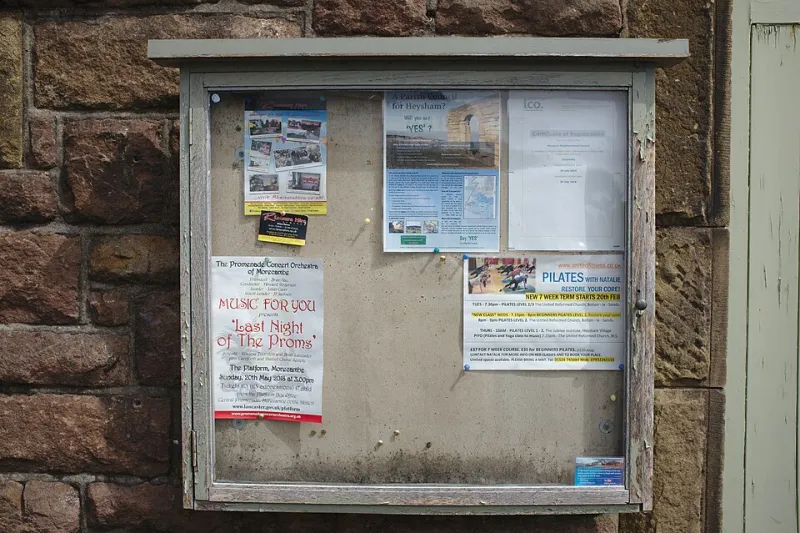
The first rule of allotment sheds is that no two are quite the same, even when they started life as the same flat-pack. At the site gate there is a noticeboard, a water butt and a path of uneven slabs. Then the plots begin, and at the end of each one stands a small building with the confident awkwardness of something made by someone who had a use in mind and no interest in winning an award.
This is vernacular architecture, but not the kind that gets a plaque. It is the architecture of the end of the garden: six by four, eight by six, lean-to, bolt-on, greenhouse-shed hybrid, pigeon loft with a kettle. It is built from what is available, repaired with what is to hand and painted in whatever colour was going cheap.
The grammar of make-do
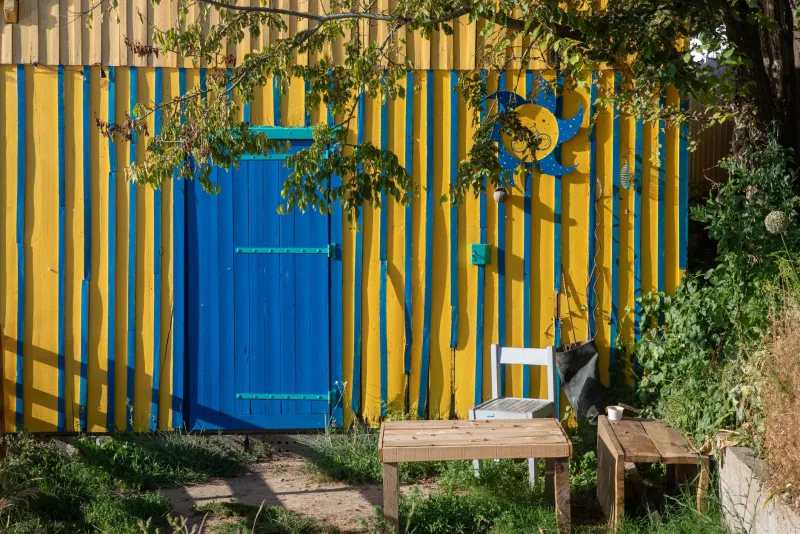
Look closely at an allotment shed and you can read its materials like a shopping list from several different decades. A door from a house clearance. A window that once belonged to a caravan. Corrugated sheets, roofing felt, scaffold boards, pallets, a length of gutter, a shelf from a skip. Paint is whatever was left over: green, brown, a defiant lilac, a tin of red gloss that has been opened and closed so many times the lid no longer fits.
The result is a collage of previous lives. A shed can contain a Victorian sash window next to a sheet of modern UV plastic and still look entirely at home. It is sustainable by accident rather than ideology. It is also a record of decisions: this piece was free, this piece was nearby, this piece was the right size and so it stayed.
The allotment committee is the planning authority here. Site rules vary, and some plots are tidier than others, but the general principle is that a shed should be useful, not monumental. Building regulations, in the domestic sense, are a mug of tea and a nod.
Four types of shed
The Inheritance Shed: it came with the plot. Wonky, weathered, possibly leaning, but it has a shelf at exactly the right height and a nail where the secateurs belong. You keep it because it has good mojo and because replacing it would be an act of violence against the plot’s history.
The Pallet Pavilion: built from free pallets, nails and hope. It may not be square. It may have a roof that collects water in one corner. It is still standing, which is the main thing.
The Museum of Small Things: this shed is less storage than collection. Jars, seed packets, old hand tools, photographs, rosettes from the site show, a child’s drawing, a mug that says World’s Best Dad. Nothing is valuable. Everything is kept.
The Tea House with a Door Problem: a chair, a stove, a kettle, a curtain and a door that needs a lift and a shove. It is the social centre of the plot, even when the only person in it is the plot-holder, sitting quietly and looking at the beans.
A private world in a public space
Allotments are communal. You share a gate, a water supply, a boundary hedge and a set of unwritten rules about noise and bonfires. But the shed is sovereign. It is where the plot-holder becomes architect, curator and client all at once. A strip of carpet, a windbreak, a net curtain, a chair facing away from the path: these are small acts of autonomy.
The shed is also a way of being alone in public. You can sit in it with the door open and watch the site go by without having to join in. That is a very British kind of privacy: not a wall, but a slight angle away from the world.
What it tells us about design
Vernacular architecture is usually defined as building by local people with local materials. Allotment sheds are a living version of that, updated with offcuts from the DIY aisle. They show that design is not only what professionals do. They show thrift as an aesthetic: mismatched is not a failure, it is a record of decisions. They show repair as a creative act.
But it is worth resisting the romance. Some sheds are cold, damp and unsafe. Not everyone has the time, money or health to make a beautiful shack. The point is not that every allotment shed is a masterpiece. The point is that these tiny buildings are made by people who are not waiting for permission to shape their own surroundings.
Walk any allotment site in November, when the bean poles are down and the sheds are exposed. You will see a skyline of felt roofs, crooked chimneys and painted doors. It is a reminder that Britain’s most inventive architecture is often the least official, and that a private world can be built at the end of a public path.