Cut, Paste, Remember: The Quiet Radicalism of Britain’s Scrapbook Habit
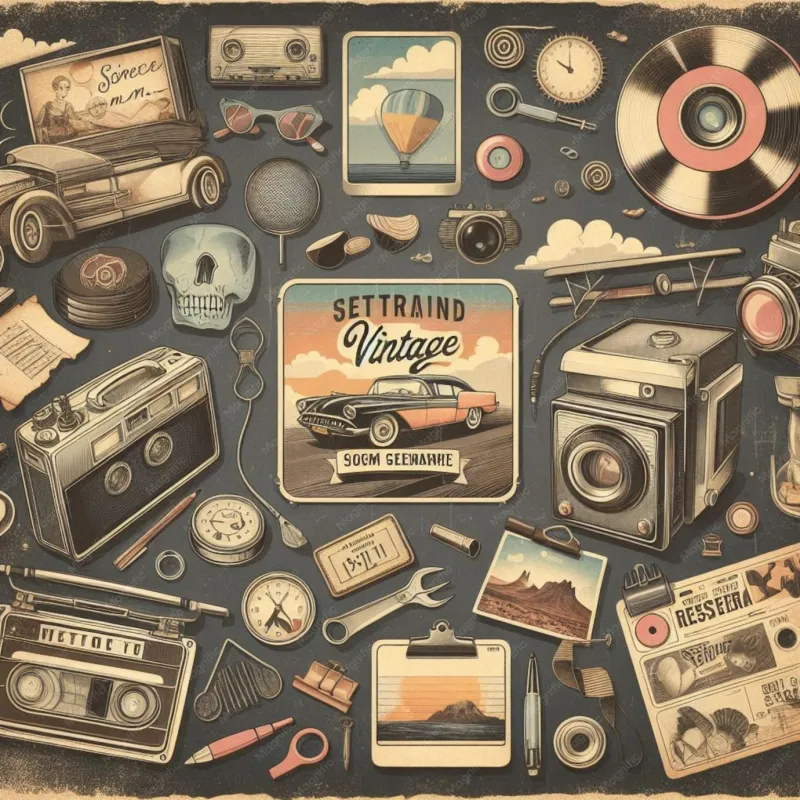
Photo: vintage scrapbook collage tickets photographs analog zine UK, via img.freepik.com
Before the algorithm, there was the scrapbook. Before the mood board, the pinboard. Before the personal brand, the personal archive: a fat exercise book with tickets glued in, captions in biro, a pressed leaf falling out at the letter F. Britain has been making these things for centuries, and in 2026 it is making them again. The analog collage revival is not only a craft trend. It is a way of handling a world that arrives in fragments.
The scrapbook is a democratic art form. It requires no expensive materials, no gallery, no permission. It is made by teenagers, grandparents, punks, diarists, community groups, football fans, holidaymakers. It takes the ephemeral — receipts, clippings, postcards, flyers, photographs — and gives it a second life. That is a curatorial act. It is also a literary one: the arrangement is the sentence.
The kitchen-table avant-garde
Victorian commonplace books were not scrapbooks in the modern sense, but they share the impulse. People copied poems, pressed flowers, pasted engravings, recorded deaths and recipes. They made a personal anthology of the world. By the twentieth century, the scrapbook had become mass entertainment: film star albums, royal wedding souvenirs, football scrapbooks, school leavers' books. The materials were cheap; the act was intimate. You did not need to be an artist to make one. You needed a pair of scissors and a reason to remember.
Punk fanzines took the same logic and turned it up. In the 1970s and 1980s, photocopiers, Letraset and stolen photographs became a visual language. The cut-and-paste look was not a limitation; it was an attitude. It said: this culture is mine to rearrange. Riot Grrrl zines, football fanzines, local music newsletters — all of them used collage as a way of speaking back. The scrapbook and the zine are cousins. One is domestic, one is public. Both are made from bits.
Why ephemera beats the archive
There is a reason scrapbooks feel more alive than official archives. Archives keep what institutions decide is important. Scrapbooks keep what someone could not throw away. A bus ticket from a first date. A flyer for a club night. A newspaper headline that seemed to sum up a year. These are not neutral records. They are edited by desire. The scrapbook maker chooses, cuts, glues, captions. The result is a self-portrait made of other people's images and words. It is collage in the oldest sense: the arrangement of found things into a new whole.
That is why the form has critical bite. It refuses the hierarchy of fine art. It puts a sweet wrapper next to a Renaissance postcard and asks you to look at both. It makes meaning through juxtaposition rather than skill. In a gallery, that might look like Pop Art or Situationism. On a kitchen table, it looks like a life. The amateur is not a failed professional. The amateur is someone working without a brief.
The 2026 collage resurgence
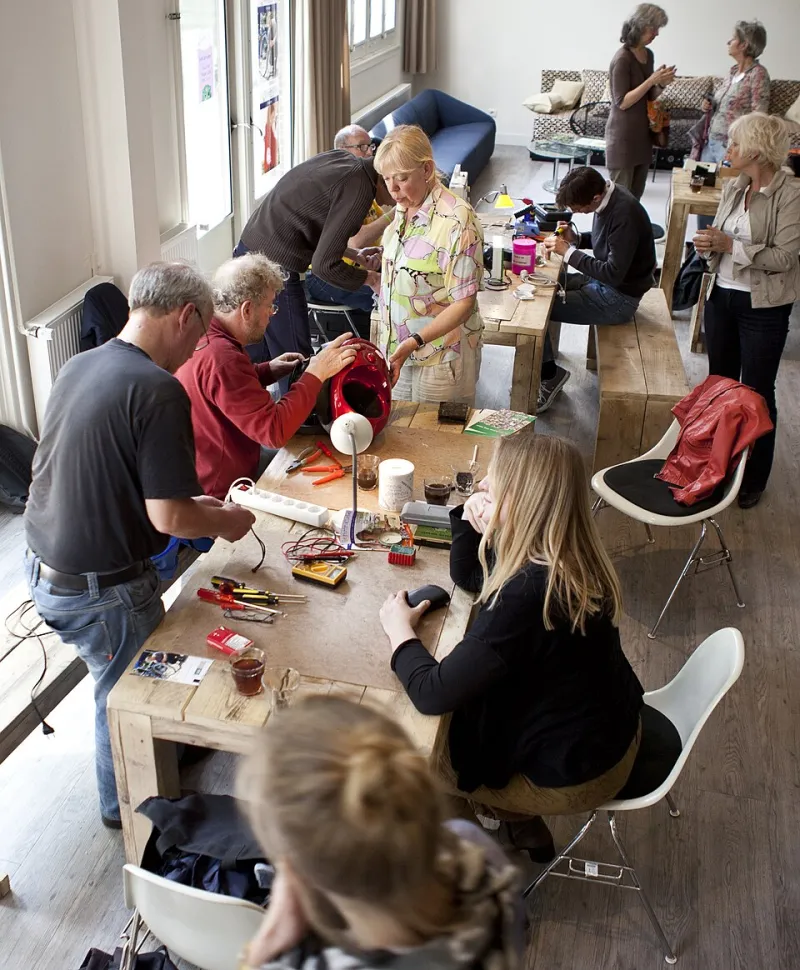
In 2026, analog collage is having a moment. Workshops in community centres, libraries and arts spaces are full. Zine fairs are packed. Artists are selling cut-paper originals alongside prints. Some of this is a reaction to screens: the physical pleasure of glue, the accident of a torn edge, the smell of old paper. Some of it is economic: collage is cheap to make and easy to share. Some of it is political: in a world of endless image production, cutting things up is a way of taking control.
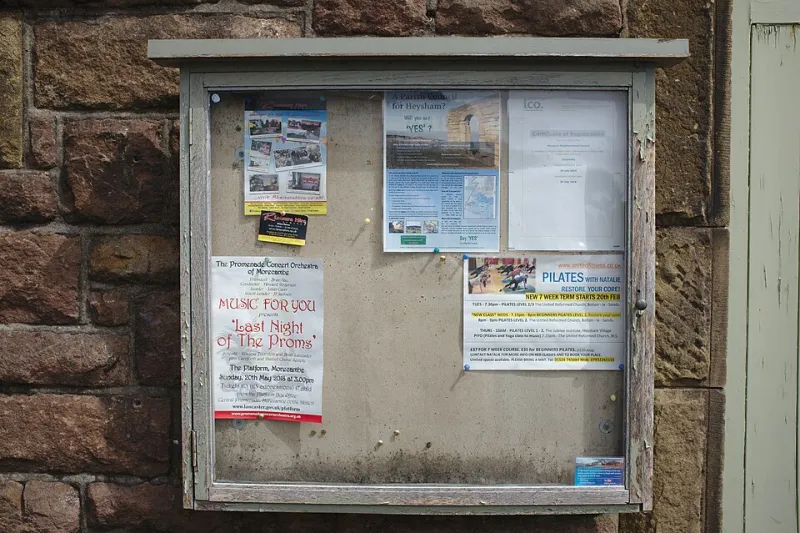
Britain has a particular stake in this. Our visual culture is full of borrowed bits: pub signs, record sleeves, church notices, tabloid headlines, charity shop paintings. Collage is the art form that matches the country's magpie instincts. It also matches the way we remember. Few of us have a clean archive of our lives. We have drawers: ticket stubs, birthday cards, a passport photo with a bad fringe. The scrapbook is the drawer with a narrative.
How to read a scrapbook
Do not read it for information. Read it for rhythm. Look at what is repeated: the same face, the same colour, the same word. Look at what is hidden: the caption that has been pasted over, the photograph cut in half. Look at the gaps. A scrapbook is an argument about what mattered, made by someone who was not trying to make an argument. That is its charm and its seriousness.
The amateur scrapbook belongs in art galleries not because it needs validation, but because galleries need reminding. Art is not only made in studios. It is made at kitchen tables, in youth clubs, in bedrooms, with Pritt Stick and a pile of old magazines. The collage impulse is ordinary and radical at once. It says: I can take the fragments of my life and make a shape from them. In 2026, that is a skill worth keeping.